What are the Key Considerations in Lanolin Sourcing?
Lanolin sourcing is closely connected to the global wool supply chain. As wool grease is recovered as a by-product of wool processing, sourcing conditions reflect the structures, practices and requirements of the wider wool industry, including growing expectations regarding transparency, traceability and sustainability.
For companies sourcing lanolin as a raw material, key considerations include:
Supply chain structures and sourcing conditions
Traceability across different supply chain stages
Sustainability aspects related to wool grease as a by-product
Animal welfare considerations
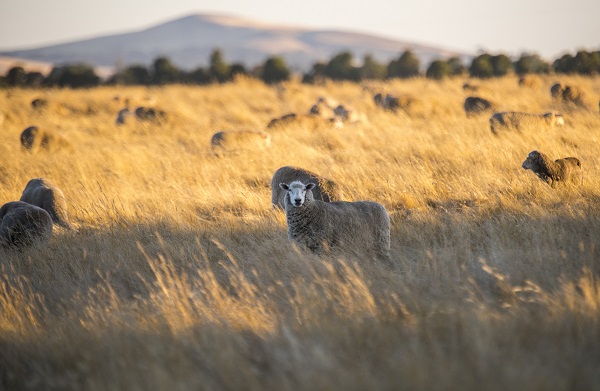
Photo: Markus Kessler / iStock
The Role of Supply Chain Expertise in Lanolin Sourcing
Lanolin sourcing is part of the wider wool supply chain, which involves multiple stages and market participants. Wool from different farms and regions may pass through growers, brokers, processors and scourers before wool grease becomes available as a raw material for lanolin production.
In this complex international market, close partnerships and direct market contacts provide valuable first-hand insights. ImperialOel has been active in the lanolin business for more than a century, establishing long-standing relationships across the supply chain. This expertise helps the LanisLanolin team source different lanolin qualities, respond to market developments, identify cost-efficient sourcing options and support reliable supply for customers.
What Does Traceability Mean for Lanolin Sourcing?
Traceability in lanolin sourcing refers to the ability to identify the origin of raw materials and follow their movement across different stages of the wool supply chain. As wool and wool grease may pass through several market participants and materials from different sources can be combined, the level of traceability can vary.
The information available at each stage and the requirements of the respective supply chain therefore determine how far raw materials can be traced. Firmly established supplier relationships and documentation can help provide greater visibility into raw material origin and sourcing conditions.
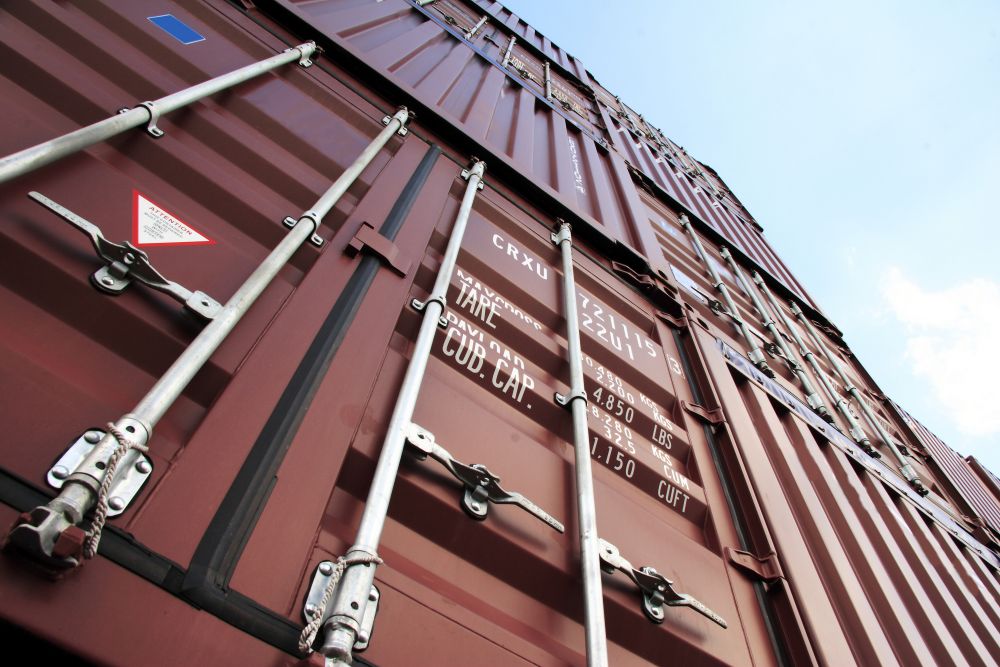
Photo: Getty Images / Unsplash
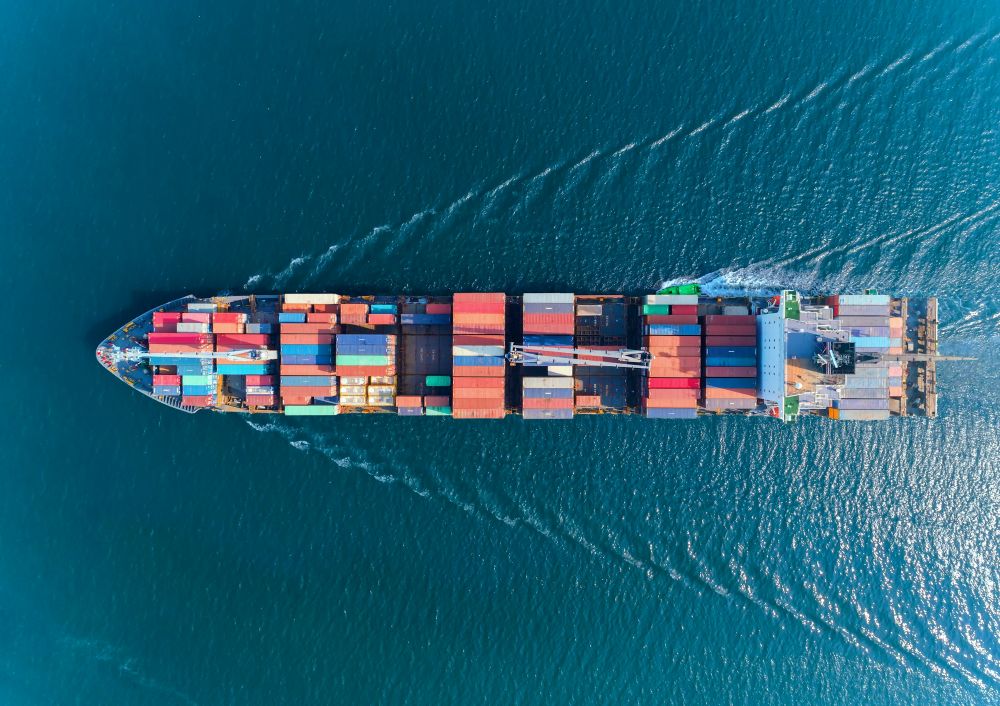
Photo: Roberta Sant'Anna / Unsplash
How Does Sustainability Relate to Lanolin Sourcing?
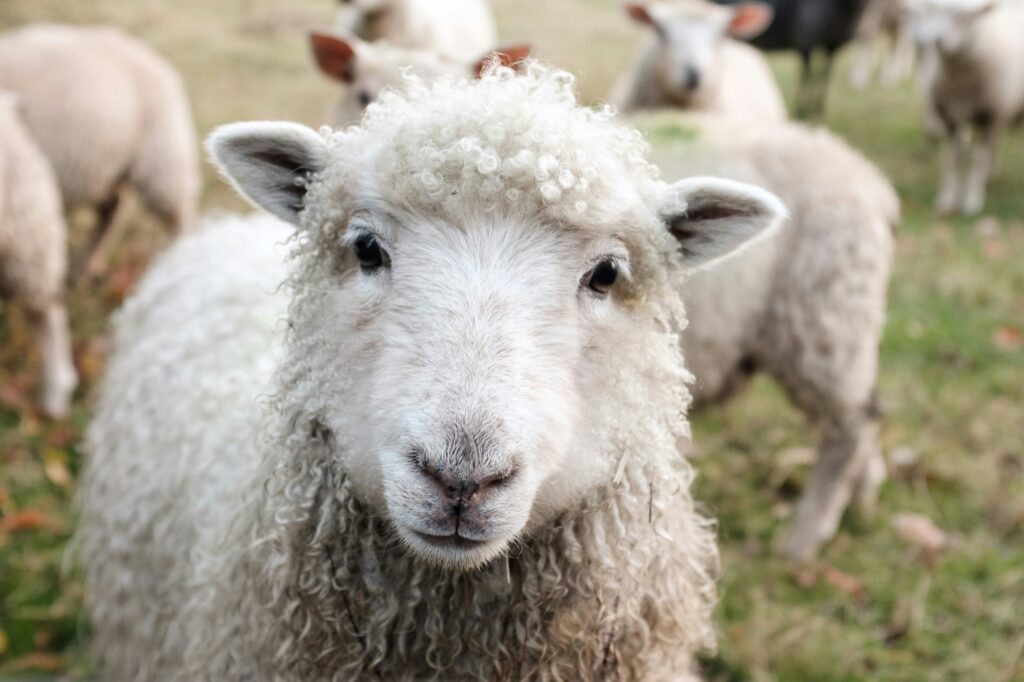
Lanolin is derived from wool grease, which is recovered as a by-product during the processing of sheep’s wool. Sheep are not raised or shorn specifically to produce lanolin. Instead, wool grease becomes available through wool production for the textile industry and can be further refined into a valuable raw material.
This by-product origin represents an important sustainability benefit: recovering and utilizing wool grease supports a more complete use of the resources already generated within the wool industry. However, broader sustainability considerations also include sourcing conditions, animal welfare and supply chain practices.
How Is Animal Welfare Addressed in Lanolin Sourcing?
Animal welfare in lanolin sourcing is closely connected to the wider wool supply chain. Sheep are not raised or shorn specifically for lanolin production, as wool grease is recovered as a by-product of wool processing. Relevant considerations include animal husbandry, shearing practices and, in some sourcing regions, practices such as mulesing, which is used to reduce the risk of flystrike.
Animal welfare requirements and practices vary between countries, regions and supply chains. For LanisLanolin, these considerations form part of the assessment of sourcing options and the ongoing dialogue with established supply chain partners.